
Ultimate Commercial Window Replacement Products for Business Renovations
Upgrade your commercial properties with high-performance solutions that combine quality, reliability, and ease of use.
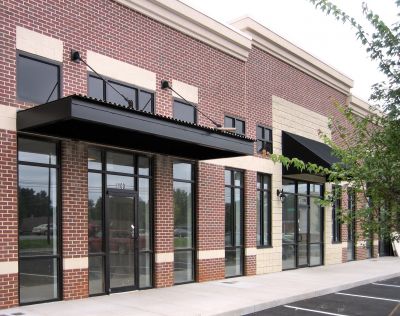 When considering products for commercial window replacements, the focus often centers on durability, energy efficiency, and ease of installation. Commercial windows are essential for providing natural light, ventilation, and aesthetic appeal to business spaces, making the selection of appropriate replacement products crucial for long-term performance. The market offers a wide variety of options, including different frame materials, glazing types, and sealing technologies, each designed to meet specific building requirements and operational demands.
Top Overall Option
Commercial Window Frame System
A versatile and durable window frame system designed to accommodate various glazing options and withstand the demands of commercial environments. It offers ease of installation, low maintenance, and compatibility with different building styles, making it a reliable choice for many projects.
Types of Products For Commercial Windows Replacements
Aluminum Window Frames
Known for strength and slim profiles, aluminum frames are often used in commercial settings for their durability and modern appearance.
Vinyl Window Frames
A low-maintenance option that provides good insulation and resistance to corrosion, suitable for various building types.
Wood Window Frames
Offers a classic aesthetic and excellent insulative properties, though requiring regular maintenance.
Composite Window Frames
Combines materials to deliver strength, insulation, and reduced maintenance needs.
Impact-Resistant Glass
Designed to withstand high winds and impact, ideal for areas prone to severe weather conditions.
Insulated Glass Units
Multiple glass panes separated by a spacer to improve thermal performance and soundproofing.
Low-E Glass
Coated to reduce heat transfer, enhancing energy efficiency and occupant comfort.
Tempered Glass
Heat-treated for increased strength and safety, often used in high-traffic areas.
Sliding Windows
Operate horizontally and are suitable for spaces where easy access and ventilation are needed.
Casement Windows
Hinged windows that open outward, providing excellent ventilation options.
Fixed Windows
Non-operable windows used primarily for light and aesthetic purposes.
Bay and Bow Windows
Protruding window structures that add architectural interest and interior space.
Skylight Windows
Installed in roofs to bring in natural light from above, suitable for commercial spaces with flat roofs.
Folding Glass Walls
Expand usable space and provide unobstructed views when open, ideal for commercial storefronts.
Acoustic Glass
Specialized glass designed to reduce noise transmission, beneficial for busy commercial environments.
Solar Control Glass
Helps manage solar heat gain and glare, improving comfort and energy performance.
Popular Choices
Widely used for their strength and sleek appearance, suitable for many commercial applications.
Popular for their low maintenance and good insulation properties in various building types.
Commonly chosen for enhanced thermal insulation and soundproofing.
Selected for safety and durability in areas exposed to high winds or debris.
Frequently used in high-traffic or safety-critical areas due to its strength.
Favored for their ease of operation and space-saving design.
Popular for their excellent ventilation and unobstructed views.
Chosen for energy efficiency and reducing glare inside commercial spaces.
Increasingly used to create flexible indoor-outdoor transitions.
Trending for adding natural light to large open areas.
In demand for noise reduction in busy commercial environments.
Commonly installed for improved thermal performance.
Versatile opening options popular in modern commercial designs.
Used for privacy while still allowing light to pass through.
Provides glare reduction and added privacy for commercial facades.
Selected for enhanced safety in high-traffic areas.
Trending for managing solar heat gain and glare.
Choosing the right replacement windows involves assessing factors such as the building's architecture, local climate, and the intended use of the space. For instance, high-traffic commercial environments may require impact-resistant glass or specialized frames to withstand frequent opening and closing. Additionally, considerations around insulation properties and soundproofing can significantly influence occupant comfort and energy costs. Proper installation and compatible accessories are equally important to ensure the longevity and effectiveness of the replacement windows.
Manufacturers offer a range of product variations, from traditional aluminum frames to more modern composite or vinyl options. Each material has its own set of benefits, including maintenance requirements, thermal performance, and aesthetic versatility. When selecting products, it is advisable to review specifications thoroughly and consult with professionals to identify solutions that align with specific project needs. Investing in quality replacement windows can enhance building functionality, reduce operational costs, and improve overall property value over time.
Ultimately, the selection of commercial window replacement products should be guided by a comprehensive understanding of the building’s unique requirements, budget constraints, and desired outcomes. By carefully evaluating the available options and considering long-term performance, business owners and facility managers can make informed decisions that support the operational success and visual appeal of their commercial spaces.
Key Buying Considerations
- Material durability and maintenance requirements
- Thermal insulation properties to reduce energy costs
- Compatibility with existing building architecture
- Type of glazing suitable for climate and safety needs
- Ease of operation and accessibility features
- Impact resistance for high-wind or storm-prone areas
- Soundproofing capabilities for noisy environments
- Aesthetic appeal and architectural consistency
- Installation complexity and professional requirements
- Cost considerations and budget constraints
- Compliance with local building codes and standards
- Availability of warranty and after-sales support
- Compatibility with security and safety features
- Potential for customization in size and design
- Long-term performance and material lifespan
This content may contain affiliate links. We may earn a commission if you make a purchase through these links, at no additional cost to you.